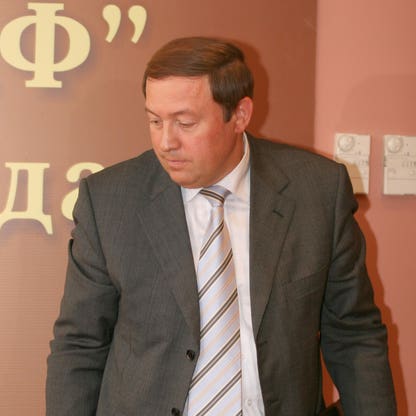
Sulteev's Empire: Assets, Sanctions, and the TAIF Legacy
In the intricate world of Russian business, few figures command as much attention and curiosity as Rustem Sulteev. His journey from the tumultuous era of post-Soviet privatization to becoming a co-owner of a petrochemical giant and a sanctioned individual is a testament to strategic acumen, timely investments, and the ever-shifting geopolitical landscape. The question of rustem sulteev net worth is not just about a numerical figure; it encapsulates a complex narrative of asset accumulation, corporate consolidation, and the profound impact of international relations on personal fortunes. This article delves into the origins of his wealth, the pivotal transactions that defined his empire, the assets he retains, and the implications of recent sanctions, offering a comprehensive look at the man behind the TAIF legacy.
The Foundations of Fortune: TAIF Group and Russian Privatization
Rustem Sulteev's significant wealth primarily originated from his pivotal role as a co-owner of the TAIF Group, a sprawling regional holding company that became an economic powerhouse within the Republic of Tatarstan. The mid-1990s in Russia were a period of unprecedented economic transformation, marked by widespread privatization. This era allowed shrewd entrepreneurs to acquire stakes in state-owned enterprises, laying the groundwork for many of today's oligarchic fortunes. Sulteev, alongside his co-owner Albert Shigaboutdinov, masterfully navigated this complex landscape, strategically acquiring shares in numerous companies that would form the core of TAIF's diverse portfolio.
TAIF Group wasn't just another holding company; it was a cornerstone of Tatarstan's industrial complex, involved in a wide array of sectors including oil refining, petrochemicals, energy, and construction. This diversification, coupled with a strong regional focus, provided a stable and growing platform for wealth generation. The group's ability to consolidate assets, streamline operations, and leverage its position within a resource-rich republic allowed Sulteev to build a substantial fortune, establishing TAIF as a key player in the Russian economy for decades.
The Strategic Consolidation: TAIF and Sibur Merger
A defining moment in Rustem Sulteev's financial narrative, and a critical factor in estimating rustem sulteev net worth, was the monumental merger of TAIF with the petrochemical behemoth Sibur in 2021. This was not merely an acquisition but a strategic consolidation that reshaped Russia's petrochemical industry. Sibur, already a giant in its own right, owned by influential billionaires Leonid Mikhelson and Gennady Timchenko, absorbed TAIF's substantial petrochemical assets.
The deal was structured such that Sulteev and other TAIF shareholders received significant stakes in Sibur. This transformation converted their direct ownership in TAIF's diverse operations into shares of a larger, more globally integrated petrochemical entity. This merger represented a trend towards consolidation in key Russian industries, aimed at creating stronger, more competitive players on the international stage. For Sulteev, it meant transitioning from direct operational control of a diversified regional conglomerate to becoming a significant shareholder in one of Russia's largest and most technologically advanced petrochemical companies. This move fundamentally altered the composition of his wealth, linking a substantial portion of his fortune to the performance and valuation of Sibur.
Such mergers often aim to unlock synergies, improve operational efficiencies, and enhance market capitalization. The integration of TAIF's assets, particularly its petrochemical and energy segments, into Sibur created a formidable player capable of greater scale and innovation. For a deeper dive into this pivotal transaction, explore Rustem Sulteev's Fortune: From Privatization to Sibur Merger.
- Strategic Rationale: The merger aimed to create a world-class petrochemical company, enhancing Russia's position in global markets.
- Asset Integration: TAIF's key production facilities, especially its petrochemical plants, were integrated into Sibur's larger network.
- Shareholder Impact: Sulteev's wealth became significantly tied to the performance and equity value of Sibur.
Beyond the Merger: Sulteev's Enduring Asset Portfolio
While the merger with Sibur transferred a large portion of TAIF's industrial assets, Rustem Sulteev did not divest entirely from his entrepreneurial ventures. He shrewdly retained ownership of several key businesses, ensuring a diversified portfolio that continues to contribute to rustem sulteev net worth. These enduring assets reflect a strategic decision to maintain direct control over specific sectors, perhaps to diversify risk or pursue growth opportunities outside the core petrochemical giant.
His retained portfolio includes:
- An Oil Refinery: Control over an oil refinery provides a direct link to the vital energy sector, offering a stable revenue stream from processing crude oil into various petroleum products. This asset maintains a foundational element of his original TAIF Group interests.
- A Chain of Gas Stations: Owning a network of gas stations represents a direct-to-consumer business with consistent demand. It provides steady cash flow and a tangible presence in the retail energy market.
- A Construction Company: The construction sector, particularly in a developing region like Tatarstan, offers opportunities for significant projects and long-term investment. This asset indicates continued involvement in infrastructure development and real estate.
These assets demonstrate a strategic foresight to maintain control over businesses that offer different risk profiles and revenue streams compared to the large-scale petrochemical industry. They provide a degree of operational independence and continued entrepreneurial engagement. Understanding these retained holdings is crucial for any comprehensive assessment of Rustem Sulteev's financial standing and his continued influence in the Russian economy. For more on his empire-building, see How Rustem Sulteev Built His Wealth: The TAIF-Sibur Journey.
Practical Tip: Diversification Strategy
Even for ultra-high-net-worth individuals, diversification is key. Sulteev's decision to retain these assets post-merger illustrates a sound strategy: keeping a mix of industrial (refinery), retail (gas stations), and service (construction) businesses can cushion against volatility in any single sector and provide multiple avenues for wealth preservation and growth.
Navigating the Sanctions Landscape: Implications for Sulteev's Empire
The geopolitical climate has profoundly impacted the business world, and Rustem Sulteev is no exception. In December 2023, the European Union imposed sanctions on him and his wife. Sanctions are a significant external factor that can dramatically affect an individual's financial capabilities, business operations, and ultimately, their rustem sulteev net worth.
The implications of such sanctions are multifaceted:
- Asset Freezing: Sanctions typically involve freezing assets held within EU jurisdictions, which can include bank accounts, properties, and investments.
- Travel Bans: Individuals under sanctions often face travel restrictions, limiting their ability to move freely within sanctioned territories.
- Financial Restrictions: Access to international banking systems, credit, and cross-border transactions can be severely curtailed, complicating global business dealings.
- Reputational Damage: Sanctions carry a significant reputational cost, potentially affecting business relationships even outside the direct scope of the sanctions.
- Operational Challenges: Companies linked to sanctioned individuals may face difficulties in sourcing components, securing financing, or engaging with international partners. This could impact the retained assets (refinery, gas stations, construction company) and the value of his Sibur shares if Sibur itself faces secondary sanctions or market pressures.
For individuals like Sulteev, navigating this environment requires complex legal and financial strategies, often involving restructuring assets or focusing entirely on domestic markets. While precise effects on his current operations are often opaque, sanctions undeniably introduce substantial challenges to wealth management and international business engagement.
Analysis: The Ripple Effect of Sanctions
Sanctions against high-profile business figures can have a ripple effect, impacting not just the individual but also their associated companies, employees, and even regional economies. It often forces a re-evaluation of international partnerships and supply chains, pushing businesses towards greater self-reliance or alternative markets.
Estimating Rustem Sulteev's Net Worth: A Complex Equation
Pinpointing an exact figure for rustem sulteev net worth is a challenging endeavor, largely due to the private nature of many of his holdings, the dynamic market conditions, and now, the added complexity of international sanctions. However, we can delineate the primary components that contribute to his overall wealth:
- Sibur Shares: A substantial portion of his wealth is now tied to his equity stake in Sibur. The valuation of these shares fluctuates with Sibur's market performance, which in turn is influenced by global petrochemical prices, operational efficiency, and broader economic and geopolitical factors.
- Retained Assets: The value of his privately held oil refinery, chain of gas stations, and construction company are significant. These assets are typically valued based on their operational profitability, market demand, and asset-specific appraisals. Their value can be more stable than public shares but is also less liquid.
- Historical Dividends and Other Investments: Over decades, Sulteev would have accumulated wealth through dividends from TAIF Group, as well as potentially diversifying into other private investments, real estate, or financial instruments.
Financial publications like Forbes often estimate net worth by combining publicly available data (like stakes in listed companies) with proprietary valuations of private assets and informed speculation based on industry benchmarks. However, the impact of sanctions makes current valuations particularly fluid. Sanctions can depress asset values, limit liquidity, and complicate the ability to sell or leverage certain holdings.
Therefore, while Rustem Sulteev's net worth undoubtedly places him among Russia's wealthiest individuals, any precise figure would be an estimate subject to continuous change based on market dynamics, geopolitical developments, and the evolving efficacy of international sanctions.
Conclusion
Rustem Sulteev's journey is a compelling narrative of ambition, strategic business development, and adaptation. From capitalizing on Russia's privatization wave to building the diverse TAIF Group, and later orchestrating a significant merger with Sibur, he has cemented his place as a formidable figure in Russian industry. His current wealth, while largely built on the legacy of TAIF and his stake in Sibur, is further diversified by retained assets, showcasing a shrewd approach to wealth management. However, the imposition of EU sanctions introduces a new layer of complexity, undoubtedly impacting his global operations and potentially the very valuation of his extensive holdings. Understanding rustem sulteev net worth requires appreciating not just his past successes but also the ongoing challenges and strategic maneuvers within a volatile global economic and political landscape.
